Why Is My Chimney Leaking? 5 Winter Culprits Long Island Homeowners Miss
You just spent another beautiful Long Island winter weekend shoveling snow, scraping ice off your car, and dodging salt trucks. Then you walk inside, glance up at your living room ceiling, and see it: a freshwater stain spreading right above your fireplace.
Sound familiar?
Here's the thing: chimney leaks don't always happen during spring rain. Most of the damage occurs during those brutal Long Island winters we know all too well. Freezing rain, nor'easters, that salty air blowing in from the Sound: it all takes a serious toll on your chimney.
And unfortunately, most homeowners don't realize there's a problem until water is literally dripping into their living room.
Let's talk about the 5 winter culprits that cause chimney leaks on Long Island: and what you need to do before the next snowstorm hits.
1. The Freeze-Thaw Cycle Is Destroying Your Chimney (And You Don't Even Know It)
If you've lived on Long Island for more than one winter, you know the drill. Temperatures swing wildly. It's 40 degrees and raining on Monday. By Tuesday morning, everything's frozen solid. Wednesday? Back up to 45.
This freeze-thaw cycle is absolute murder on your chimney.
Here's what happens: moisture from rain, snow, or even morning dew seeps into tiny cracks in your chimney's masonry. When temperatures drop below freezing which happens constantly from December through March: that trapped water freezes and expands. Ice takes up more space than water, so it pushes outward, widening those cracks.
Then it thaws. Then it freezes again. Then it thaws again.
Every single cycle makes the cracks bigger. Before you know it, water flows freely through your chimney structure and into your home.
Warning signs to look for:
- Water stains on your ceiling or walls after snowstorms
- Visible cracks running through the mortar or bricks
- A musty smell coming from your fireplace (even when it's not in use)
- Pieces of brick or mortar lying around the base of your chimney
If you're seeing any of these signs, you need chimney repair long island specialists to inspect the damage before next winter. Ignoring it now means exponentially more expensive repairs down the road.
2. Salt Air + Winter = Spalling Bricks (Especially Near the Coast)
Living near the water is one of the best parts of Long Island life. The beaches, the breeze, those stunning sunset views over the Sound.
But that salty ocean air? It's quietly wrecking your chimney.
Salt draws moisture into brick like a sponge. When winter temperatures drop, that moisture freezes and expands just like we talked about above. But the salt accelerates everything. The brick doesn't just crack; it literally starts falling apart in chunks.
This process is called spalling, and it's incredibly common in Nassau and Suffolk counties, especially if you live within a few miles of the coast.
You'll notice it starting small: tiny chips or flakes coming off the brick surface. Then bigger pieces. Eventually, entire sections of the brick face can fall away, leaving your chimney structurally compromised.
What spalling looks like:
- Brick surfaces that look pockmarked or flaky
- Chunks of brick scattered on your roof or around the chimney base
- Exposed inner brick that looks darker or more porous
- White, chalky deposits on the brick (that's efflorescence: a telltale sign of moisture penetration)
Don't mess around with spalling. If your mortar becomes powdery or bricks are falling off in chunks, your chimney is at immediate risk. Get a professional chimney inspection scheduled ASAP.
3. Ice Dams and Snow Accumulation Are Sneakier Than You Think
You've probably heard about ice dams on your roof. But did you know your chimney can develop the same problem?
Here's what happens during a typical Long Island winter storm: snow piles up on your chimney crown (that's the concrete top that seals your chimney). Ice forms along the sides. Everything looks fine from ground level.
But when temperatures rise even slightly: or when the sun hits that south-facing side: the snow and ice start to melt. That water has to go somewhere. And if your chimney crown has even the tiniest crack, that melted water is seeping straight down into your chimney structure.
By the time you notice water staining inside your house, the damage has been happening for weeks: maybe months.
The problem with Long Island winters:
- We get frequent nor'easters that dump heavy, wet snow
- Temperatures fluctuate constantly (hello, 50 degrees in January)
- Freezing rain creates ice layers that trap moisture against your chimney
- Snow sits on roofs for extended periods because of our moderate temperatures
Most homeowners assume leaks only happen during spring rain. Wrong. The damage is happening right now, during winter, while ice and snow are doing their dirty work.
4. Deteriorating Mortar Joints (Salt Air Strikes Again)
Let's talk about the glue holding your chimney together, literally.
Mortar is a cement-like material between the bricks. It's what keeps your entire chimney structure stable and watertight. But on Long Island, mortar faces a double threat: salt air corrosion and freeze-thaw cycles.
Over time (and we're talking for years, not decades), that mortar starts to erode. It becomes powdery. It crumbles when you touch it. Gaps appear between the bricks.
And those gaps? They're highways for water infiltration.
Once water gets through deteriorating mortar joints, it can reach your chimney liner, corrode metal components, and even damage your home's framing and insulation. What starts as a minor mortar issue becomes a full-blown emergency chimney repair situation.
Signs your mortar needs attention:
- Mortar that crumbles or falls out in chunks
- Visible gaps between bricks
- Mortar that looks significantly lighter or whiter than it used to
- Bricks that feel loose or wobbly
Here's the good news: chimney repointing (removing old mortar and applying fresh material) can extend the life of your chimney by decades. It's an investment that pays off big time: especially if you catch the problem early.
If you're noticing deteriorating mortar, check out our chimney repointing services to see how we can help.
5. Your Chimney Cap and Flashing Are Probably Compromised
Quick question: when was the last time you actually looked at the top of your chimney?
If you're like most homeowners, the answer is "never" or "maybe once when I bought the house."
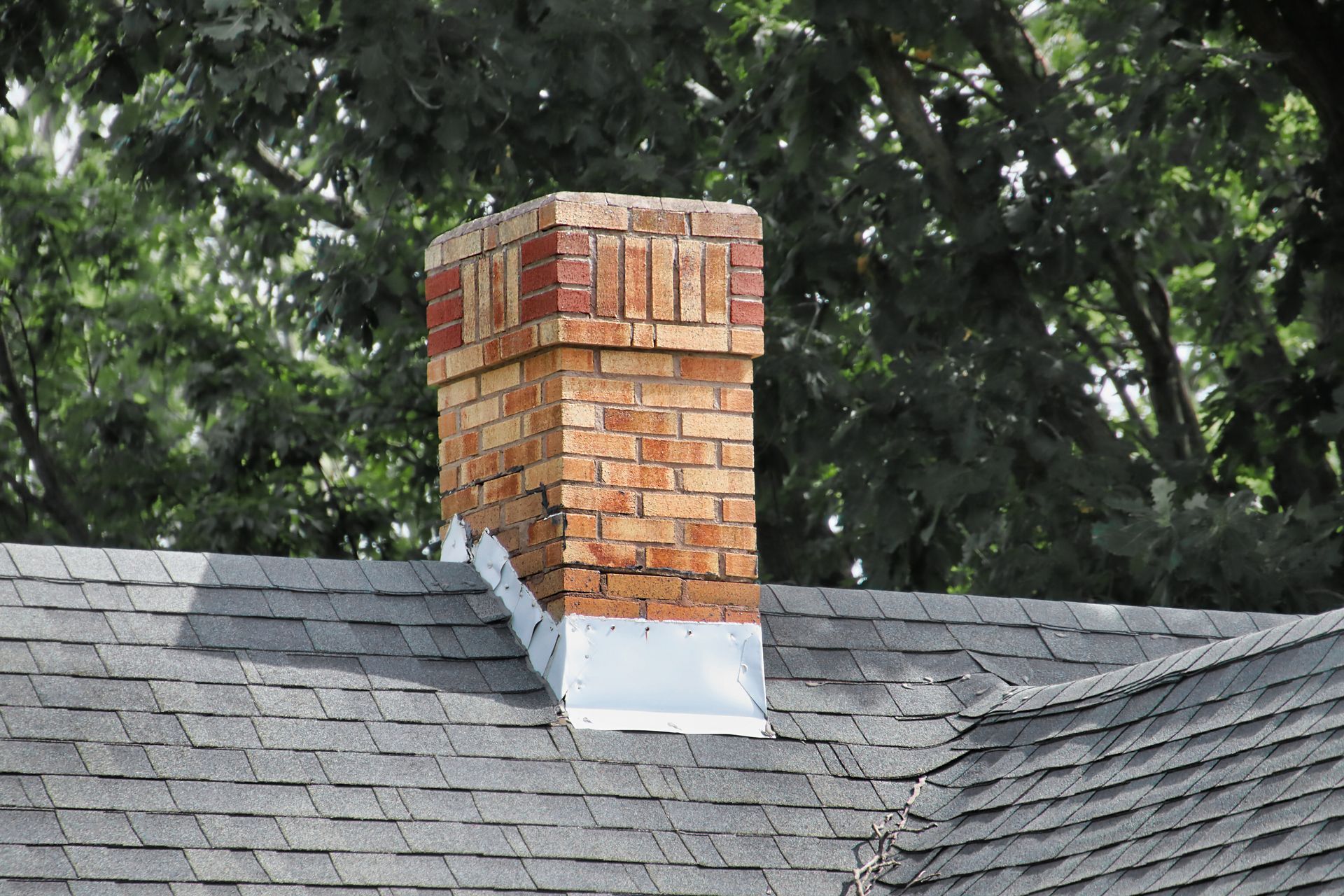
Your chimney cap and flashing are the first line of defense against water intrusion. The cap sits on top and keeps rain, snow, and animals out. The flashing seals the gap where your chimney meets the roof.
But winter weather on Long Island is relentless. Heavy snow accumulation can bend or dislodge chimney caps. Ice buildup can create gaps in the flashing. And once either of these components is compromised, water pours straight down your chimney or seeps through the flashing into your attic.
A damaged chimney cap or flashing is one of the most common causes of leaks: and one of the easiest to fix if you catch it early.
What to look for:
- Missing or rusting chimney caps
- Gaps or separation where the chimney meets the roof
- Bent or damaged flashing
- Dark stains on the roof around the chimney base
Don't wait for a full-blown leak. A compromised cap or flashing can lead to extensive water damage, mold growth, and structural issues that cost thousands to repair.
What You Need to Do Right Now
Look, we get it. Chimney maintenance isn't exactly at the top of your winter to-do list. You're busy. You've got a million other things going on.
But here's the reality: every winter storm that passes without addressing these issues makes the problem worse. Small cracks become big cracks. Minor leaks become major water damage. A $500 repair becomes a $5,000 emergency.
Take action before the next storm:
- Schedule a professional chimney inspection. ** A certified technician can spot problems you'd never see from the ground.
- Don't wait for visible leaks. ** By the time water is dripping into your house, significant damage has already occurred.
- Address small issues immediately. ** Repointing a few mortar joints today prevents replacing entire sections of brick tomorrow.
- Get your chimney cleaning long island service done regularly. ** Creosote buildup from winter fires traps moisture and accelerates deterioration.
The National Fire Protection Association recommends annual chimney inspections: and on Long Island, with our brutal winters and salt air, that recommendation isn't optional. It's essential.
Chimney MD Is Here to Help
At Chimney MD, we've helped countless Long Island homeowners protect their chimneys from winter damage. We understand the unique challenges of Nassau and Suffolk County weather: the salt air, the freeze-thaw cycles, the unpredictable nor'easters.
Whether you need emergency chimney repair or just a thorough inspection before winter really kicks in, we've got you covered.
We offer free estimates for all chimney leak repairs. No pressure, no sales pitch: just honest assessment and expert recommendations.
Because we want you to enjoy your fireplace this winter with the peace of mind you deserve. Your chimney should keep your family warm and safe: not leave you staring up at water stains wondering how much this is going to cost.
Don't let another Long Island winter destroy your chimney. Contact Chimney MD today and let's get your chimney protected before the next storm hits.
Your ceiling will Thank You!